
Revive Bath Co · Homeowner guide
Acrylic vs. Tile Shower Walls: How to Choose for Your Remodel
Acrylic walls can suit a homeowner who wants panels without individual grout lines, while tile offers tile-specific design and layout choices. Neither option is maintenance-free or a substitute for appropriate water management. Compare complete installed systems, preparation, joints, care instructions, and scope rather than material alone.
Clear planning information, primary-source links, and a scope you can discuss.
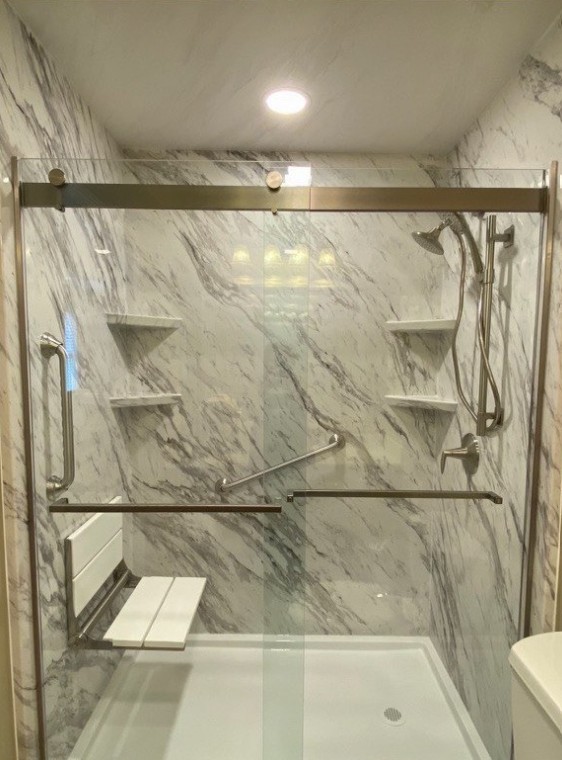 Practical decisions. Thoughtful planning.
An informed starting point
Understand the decision before choosing the finish
Choosing shower walls involves more than liking a sample. The finish must be part of a system that works with the base, joints, fixtures, enclosure, and underlying preparation. A good material comparison should not confuse the visible surface with the entire installation.
Revive Bath Co installs acrylic wall systems. This guide explains what to compare with a tile proposal without inventing a universal price ranking, lifespan, or installation time. Product-specific instructions and the actual bathroom matter more than a broad claim that one material always wins.
Begin with your priorities
Describe the actual tasks, condition, or scope you want to improve. A specific question gives a consultation direction.
Check the whole arrangement
Review the layout, underlying preparation, products, and responsibilities together instead of assuming a label explains them.
Keep the plan in writing
Ask for selections, scope, timing, repair approvals, care, and applicable coverage so the decision remains understandable.
Planning detail 1
Compare the complete wall arrangement
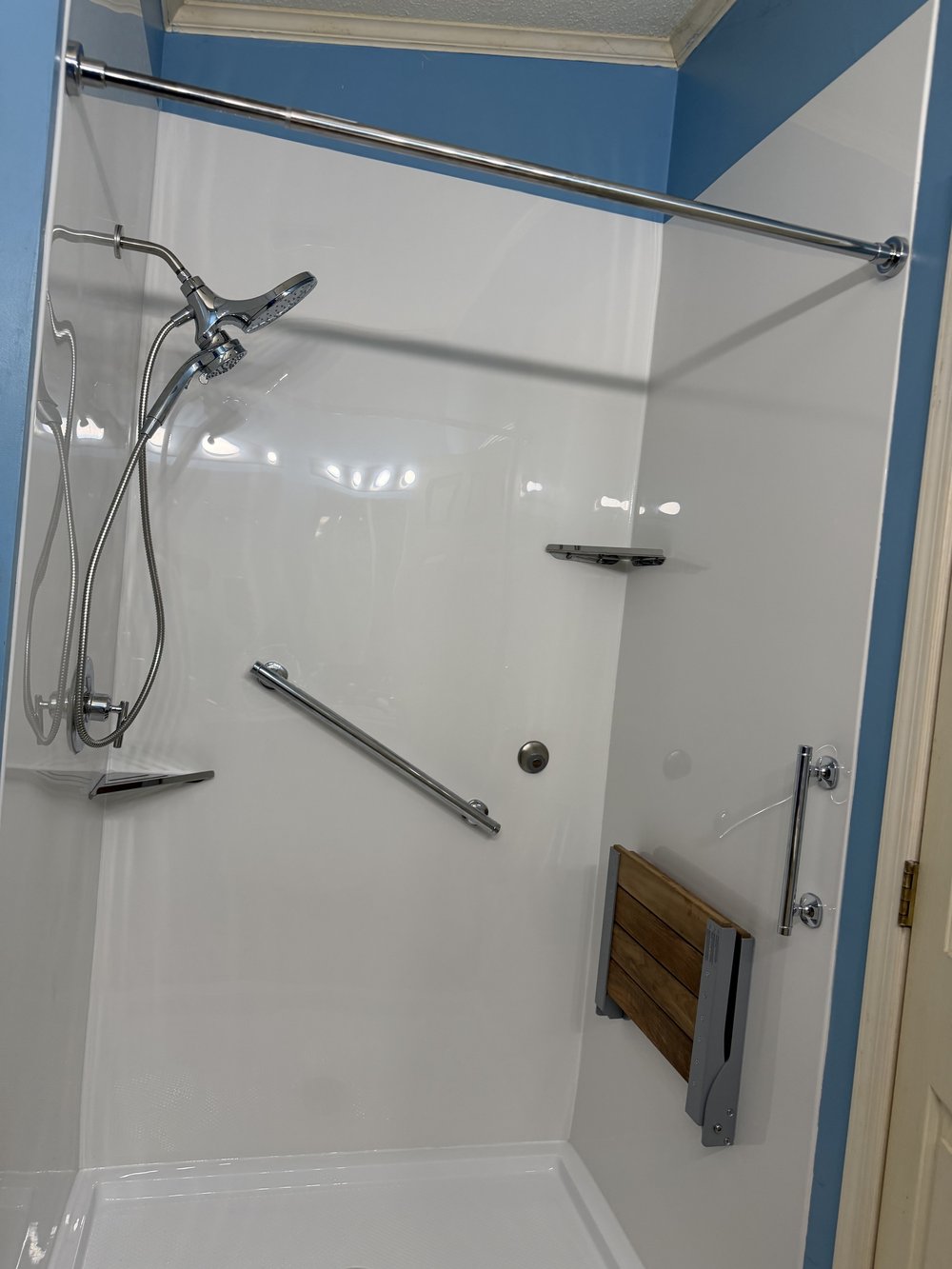
Acrylic panels and individual tiles create different surface layouts. Panels avoid tile-by-tile grout lines, but they still involve edges, joints, penetrations, and connections to the shower base. Ask what the installed system includes instead of judging only the face of a sample.
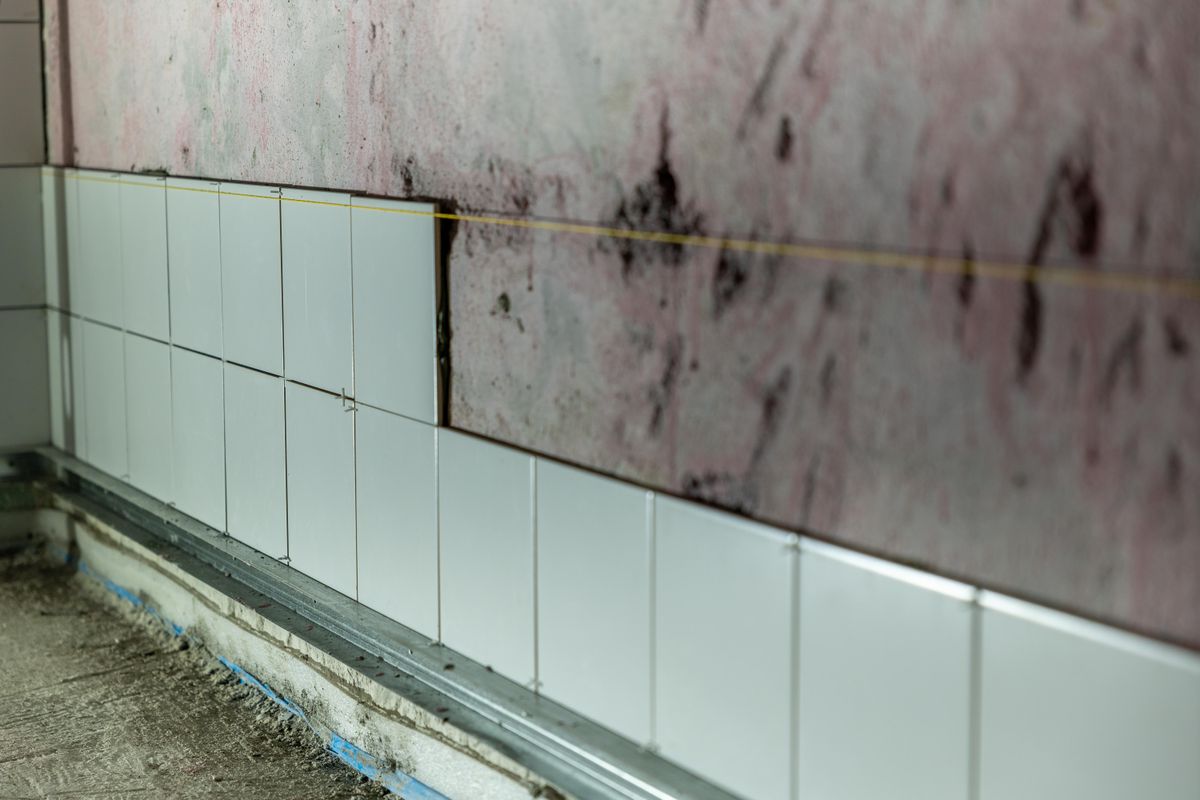
For a tile proposal, ask how the assembly manages water behind and around the tile and what materials and methods are specified. For a panel proposal, ask about the system's preparation, joints, and fixture connections. Neither finish name alone establishes the quality of the assembly.
Planning detail 2
Compare actual cleaning instructions
Ask for the selected product's care guide before approving it. A cleaner suitable for the old bathroom may not suit new surfaces, hardware, seals, or grout. Acrylic systems avoid individual wall grout-line cleaning, but that does not remove the need for regular cleaning and attention to joints.
Tile and grout care depends on the selected products and installation. Do not assume every grout needs identical treatment or that a universal cleaner is acceptable. Compare the effort you are willing to make with the actual instructions rather than a maintenance-free marketing phrase.
Planning detail 3
Review appearance in the retained room
Tile offers choices in tile format and layout; panel systems offer their available patterns and configurations. Review samples alongside the floor, vanity, and wall finish you plan to retain. A visually striking shower should still have purposeful storage, enclosure, and fixtures.
Ask where joints, panel edges, cuts, and transitions will sit. The finished appearance depends on dimensions and placement, not just the product photograph. Review shelves and support features in the same plan so they feel coordinated and work for the user.
Planning detail 4
Do not compare material price with installed price
A complete proposal should identify removal, preparation, the base, walls, fixtures, enclosure, accessories, trade work, disposal, and cleanup. Comparing a panel package with tile materials alone leaves labor and assembly out of the discussion. Scope and condition can change either proposal.
Ask which work affects the schedule and what first-use instructions apply. Avoid promising that every acrylic installation is one day or every tile installation takes a set number of days. Compare the actual sequence for the measured bathroom and selected system.
Planning detail 5
Keep moisture and repairs separate from styling
Acrylic panels are not remediation for every water problem, and tile is not proof that underlying surfaces are sound. Recurring leakage, staining, or damaged material warrants appropriate assessment before either finish conceals it. The proposal should explain necessary preparation and repair approval.
The EPA's moisture guidance emphasizes fixing water problems and controlling humidity. A beautiful wall finish alone does not address ventilation or a leaking connection. At handoff, keep the care guide and applicable warranty terms so you understand responsibilities beyond installation day.
Primary sources and clear limits
Research to support better questions
Moisture control, not surface-only promises
The EPA moisture guide emphasizes fixing water problems and controlling humidity. It recommends indoor humidity below 60%, ideally 30% to 50%. Air humidity is not a measurement of hidden wall or floor condition, and a new wall finish is not proof of remediation.
Before disturbing paint in a home built before 1978, discuss applicable lead-safe requirements. The EPA renovation guidance explains covered work and exemptions; age alone does not identify lead in a particular surface.
| Consideration | Acrylic proposal | Tile proposal |
|---|---|---|
| Surface layout | Panels, edges, joints, fixture connections | Tiles, grout, cuts, joints, fixture connections |
| Care | Selected panel and hardware instructions | Selected tile and grout instructions |
| Price | Complete installed scope | Complete installed scope |
| Water management | System preparation and connections | Specified assembly and connections |
Prepare for the conversation
Your consultation checklist
- Ask for the exact product care guide.
- Compare complete installed scopes rather than material-only costs.
- Review joints and transitions in the measured layout.
- Plan shelves, support, and enclosure together.
- Address water problems before either system is installed.
What Revive Bath Co can discuss
Our published services focus on tub-to-shower conversions and shower replacements with acrylic walls. We do not install walk-in tubs. Tell us about any desired work outside the bathing area so the proposed scope and responsibilities are clear.
Use the design page to start a finish discussion, then confirm selections with the measured layout and written quote. See our service overview for the company’s offerings.
Direct answers
Frequently asked questions
Are acrylic shower walls maintenance-free?
No. They avoid individual grout lines but still need product-approved care and attention to joints, seals, and fixtures.
Is tile always more expensive?
Not a dependable rule. Compare actual products, preparation, labor, and complete installed proposals.
Can either finish fix an existing leak by itself?
Do not assume that. The cause of the leak and necessary preparation must be addressed.
Does Revive Bath Co install both wall types?
The company's published shower offering uses acrylic wall systems. Ask about the proposed product selections during consultation.
Which option should I choose?
Choose a complete system that fits your layout, care preferences, desired appearance, and measured written scope.
Your next step
Discuss your bathroom with Revive Bath Co.
Book a free, no-obligation in-home consultation to explain your priorities, review the space, and discuss a written quote for the proposed shower work.
Keep reading
- Seasonal Bathroom Maintenance for North Carolina Homes
- Bathroom Water Damage Signs: What to Check Before a Remodel
- How Much Does a Bathroom Remodel Cost in Greensboro, NC?
Meet Revive Bath Co · Check the service area
Explore Winston-Salem, High Point, and Kernersville bathroom planning guides.
Sources & scope notes
Prepared for Revive Bath Co. This article is general homeowner planning information, not medical, legal, structural, or individualized accessibility advice. Gallery images are illustrative. No safety outcome, property-value increase, or search ranking is guaranteed. Confirm current requirements with the appropriate authority and product-specific instructions with the installer.